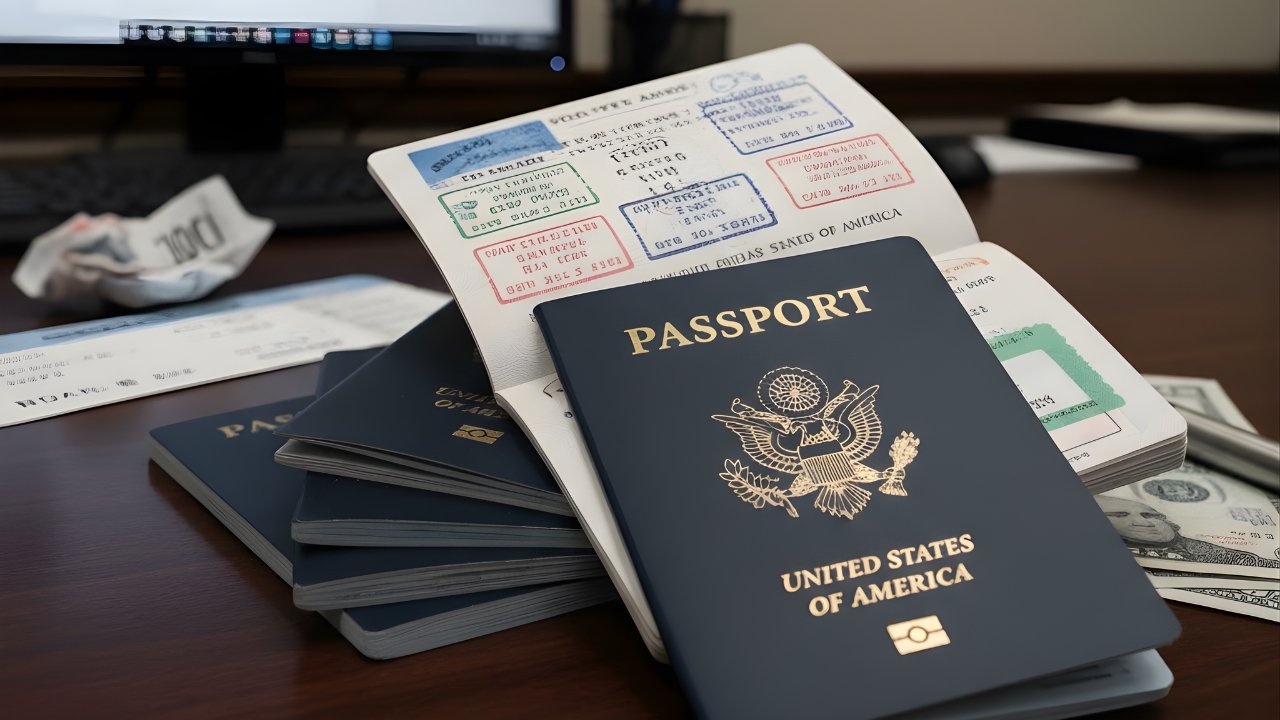
The U.S. Department of State is enforcing tougher regulations on the standard of biographic data and this is causing frustration in American travelers in 2026. Thousands of applicants are being denied the right to renew or update their passport as a result of unexplainable discrepancies in name. This change is mostly influenced by new demand of high-security data synchronization among federal databases. To hapless people with hyphenated family names, those with more than one middle name, or with names that include special characters, the common sense method they have been used to over the years is all of a sudden conflicting with the strict digital systems and many of them have found themselves without official travel paperwork a few weeks before their international journeys just a few weeks ago.
The Non-Standard Character and Space Crackdown
The modernization of Travel Document Issuance System (TDIS) is also one of the main technical challenges of 2026. The system is also more and more unaccepting of names that use non-Latin diacritical marks or irregular spacing that does not exactly reflect the primary evidence of the applicant (which is often a birth certificate). Although the Department of State has traditionally provided some leniency with regards to the preferred names, the present-day requirement is that the preferential names must be an exact match. With your driver license labeled St. James and your birth certificate labeled as Saint James, there is a possibility of a red flag due to the appearance of fraud or mismatch of data and you will need a long period of legal amendment before the issuance of a passport.
Reversals of Gender Marker Policies and Law
Much of the new denials is due to a major change of policy with respect to gender designations. The State Department ordered the suspension of the X gender marker and, starting in early 2025, requires the passport to have the sex assigned at birth indicated. This has made the logistics nightmare to transgender and nonbinary citizens who used to update their names and markers during previous administrations. These travelers also frequently encounter refusal attempts when trying to renew their documents due to the factors of their new legal name and gender identity being inconsistent with the new federal government policies of restricted applicability built on the historical fact factor.
Immigration and Adoption Fraud Indicator Trap
The name update process has turned into a test of fire to naturalized citizens as well as international adoptees. In 2026, security measures have developed a new category of inexplicable name changes, which include changes in name that are not accompanied by a marriage license or a court order, an indicator of potential fraud. Numerous passengers who have long since spelled their names differently in English, to sound more phonemically correct, are now receiving word that their existing passports are now invalid to renew. These citizens are also being compelled to reopen the naturalization documentation process afresh without having an original court order to bridge the gap between their new name and their surname.
Managing the 90-Day Correction Window
In the case where a passport is refused on grounds of name, the travelers are usually given a period of 90 days within which they can produce additional evidence before their file is closed and their fees refunded. This has contributed to an increased demand of Affidavits Regarding a Change of Name (Form DS-60) that needs the testimony of long term acquaintances to ascertain of the identity of the applicant. But even now that processing time of Routine service is approximately 6 weeks, not all travelers are able to fit the 90 day time frame to make it through the court backlog and all they have to do is cancel their costly traveling plans and wait in a state of identity limbo.
Name Mismatch Risk Factors
| Issue Type | Primary Risk | Resolution Requirement |
| Punctuation | System Rejection (TDIS) | Standardized Latin Alphabet |
| Middle Name Gap | Fraud Flag | Full Birth Certificate Match |
| Gender Marker | Policy Incompatibility | Proof of Original Sex Designation |
Frequently Asked Questions
1. Will I be able to continue using an X marker in my U.S. passport in 2026?
No. In the recent passport policy, recent executive orders and Supreme Court stays have only left the State Department with the recognition of two biological sexes at birth, namely, Male and Female, as the only valid basis to issue the passport.
2. What would occur when my flight is next week and my update on name was rejected?
You have to make a reservation on an urgent travel at a local passport office. To correct the mistake on the name at the place, you will be required to have evidence of recent international travel (within 14 days) and original legal documents.
3. Is a marriage certificate necessarily considered as evidence to a change of name?
Usually, yes. But in case there is typo in the name of the certificate of marriage or it does not match your present ID, it might not be accepted as a good evidence according to the strict-match rules of 2026.
Disclaimer
The information is aimed at informational use. You may refer to the official resources such as Travel.State.Gov or the Foreign Affairs Manual (8 FAM); we also expect to deliver the right information to all the users. Would you mind me writing you a checklist of those specific documents you will need to solve a name discrepancy with the State Department?
