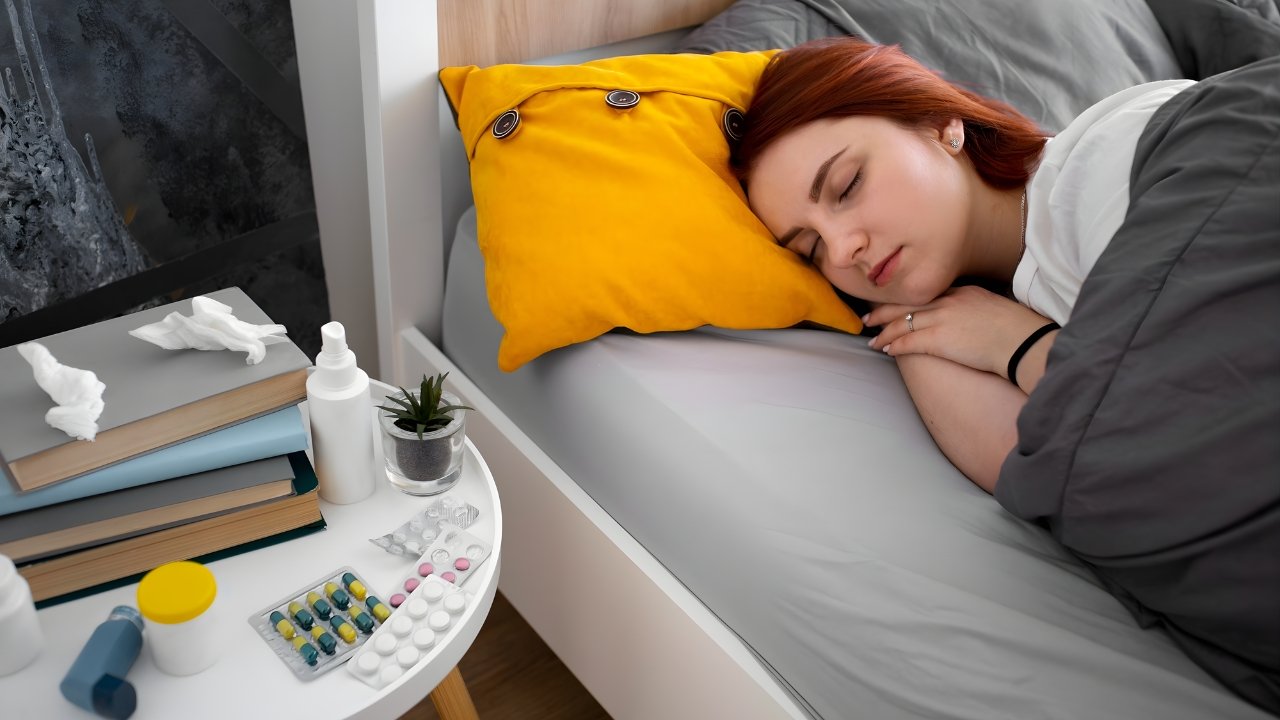
In recent scientific investigations a curious interconnection between nocturnal behaviors and mental health, namely, the sideways sleeping-on, has been revealed, in particular, the right-side sleeping is related to substantially reduced instances of depression. According to researchers, the posture has the possibility of decreasing symptoms by 30 percent of back or stomach sleeping. The main theory is that which relates to the glymphatic system, the waste-clearance system of the brain. This system cleanses the neurotoxic waste products in the course of sleep. Research shows that side sleeping is the best in cleaning of the brain, without depositing the proteins which may disrupt mood process and the cognitive process.
The Glymphatic Benefit of Lateral Sleep
It is not merely a matter of sleeping on ones side (lateral position) because it is the most comfortable way to sleep. Psychologists and neurologists indicate that fluid drainage by the brain is best when the head is on the lateral position. The lateral position has allowed the sustenance of the integrity of the neural pathways of emotional stability by supporting the production of amyloid-beta and similar metabolic waste, as well as the elimination of toxic waste. People that always sleep on their side tend to report a better quality of sleep architecture i.e. more time in the restorative REM and deep-sleep phases which are essential in emotional trauma processing and processing of daily stress.
Right vs. Left: The Autonomic Association
Although both parties have advantages, other scholars have discovered that right-side sleeping has a minor advantage over those with anxiety induced depression. This has been associated with its action on the vagus nerve and the autonic nervous system. The pressure against the heart against the chest wall can be reduced by resting with the right side, and this decreases both the heart rate and blood pressure. This physiological relaxation effect sends information to the brain that the body is in its safe and relaxed condition. To most, this physical comfort comes in the form of a decrease in the nighttime rumination which tends to sustain the depressed episodes.
Back and Stomach Sleeping: The Possible Dangers
Conversely, the supine (back) and prone (stomach) positioning methods have been associated with an increased occurrence of sleep-disordered breathing and discontinuous sleep. The mild airway blockages that occur when one is lying supinely, may result in micro-awakening. These distractions do not allow the brain to achieve deeper sleep that would supply it with serotonin and dopamine. Moreover, the sleeping posture in the stomach position typically helps the neck to take an unnatural position in response to which the physical strain can provoke the stress reaction of the body. Physical stress of the body at night leads to an increase in cortisol levels in the body in the morning, which may increase the symptoms of low mood and fatigue.
How to Sleep to Doom Mental Health
Sleep hygiene is a low-cost, high-impact intervention that is changing sleeping position. To ensure the 30 percent decrease in symptoms is maximized, specialists suggest placing a contoured pillow to ensure the spine is straight and inserting a small pillow between the knees in order to prevent the hip strain. This arrangement ensures that the physical pain is kept down to bare minimum leaving the brain to perform its healing task with total concentration. Although modifying a lifetime sleeping pattern is a long process, the overall impact on the psychological well-being is immense. It is by synchronizing physical positioning with your own internal waste-clearance timetable that you establish a platform of more robust psychological health and emotional liveliness that is more well-balanced.
Sleep Size & Psychological Effect.
| Position | Impact on Symptoms | Key Biological Driver |
| Right Side | ~30% Reduction | Glymphatic Efficiency / Vagus Tone |
| Back | Neutral / Low Increase | Risk of Fragmented REM |
| Stomach | Higher Risk | Cortisol Spikes / Physical Tension |
Frequently Asked Questions
1. Will a change of sleeping position help my clinical depression?
No, it is not a standalone cure. Nonetheless, it is a productive auxiliary resource and enhances the quality of sleep, which is directly connected with the maintenance of mood.
2. What is the significance of mentioning the right side?
Although the two sides equally assist in the brain drainage, the right side is usually preferred because those with cardiac or anxiety issues would feel better since it decreases the cardiac pressure and because the heart rate drops.
3. And what about the fact that I do roll on my back at night?
That is normal. A body pillow or a so-called side-sleeping backpack can be used to condition your body to spend more time in the lateral position during the night.
Disclaimer
The information is informational. You may consult the official sources such as the National Institutes of Health (NIH) or the Sleep Foundation; we are willing to offer the right information to every user.
