As energy prices go up across the country, help with power bills ends.
Ending government-backed subsidies is a big change in Australia’s energy support strategy. For the past few years, households have been able to get temporary rebates to help them pay for rising electricity costs. However, officials have confirmed that the subsidy will end on February 20, 2026. This means that families could see their electricity bills go up a lot each year, depending on how much they use and what the rates are. Energy retailers are also changing how they set prices to match new market tariffs. The relief measures were put in place during times of economic uncertainty, but policymakers say that the system needs to go back to a more stable long-term framework now.
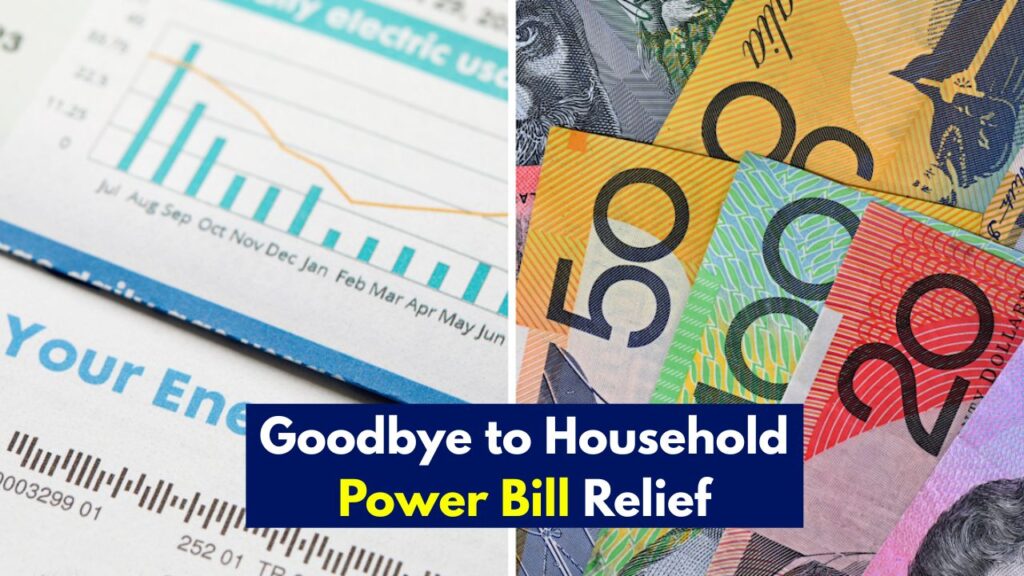
Australian households will have to pay $400–$900 more for energy.
Not every home will be affected equally by the expected rise of $400 to $900 per year. The final effect will depend on things like where the property is located, how big it is, and how much energy it uses. People who rely heavily on heating or cooling may have to pay more during the winter and summer months, especially when the weather is bad. Analysts say that the cost of living will go up as electricity takes up more of people’s monthly budgets. Families with low or middle incomes might have to make changes to their budgets if credits are taken away. Consumer groups are telling people to look into ways to compare energy prices and make their homes more energy-efficient to lessen the financial impact.

What the End of Energy Rebates Means for People
Australians will have to rethink how they use electricity now that rebates are over. Experts say that a home energy audit is a good way to find places where you can cut back on your energy use. Even though they cost a lot up front, switching to energy-efficient appliances and putting solar panels on the roof may save you money in the long run. The government has also told people to keep an eye on when they use the most energy so they don’t have to pay more for it. Even though the change may seem sudden, officials stress how important it is to keep the market stable and stop relying on emergency relief programs that were never meant to be permanent.
Understanding the Bigger Picture of Changes to Power Bills
The end of help with power bills is a sign of a bigger change in Australia’s energy and economic policy. Short-term subsidies helped people get through tough times, but they came from public budgets that can’t keep giving money forever. Families now have to get used to prices after the rebate and get ready for a more market-driven world. Financial advisers say that people should plan ahead and set aside money for yearly changes in electricity costs. Even though the increases may seem big, careful budgeting and making things more efficient can help ease the pressure. In the end, this move shows that the country is moving toward a self-sustaining energy model.
| Category | Information |
|---|---|
| Date of Effect | February 20, 2026 |
| Estimated Rise | $400 to $900 per year |
| Main Reason | No more government rebates |
| Most Affected | Households that use a lot |
| What to Do | Look at your plans and cut back on how much you use them |
Questions That People Ask All the Time
1. Why is the help with power bills ending in Australia?
The government is getting rid of temporary subsidy programs so that the energy market can be stable again.
2. How much could the cost of electricity for homes go up?
 Goodbye Old Licence Rules: Senior Drivers Aged 70+ Face New Compliance Laws From 20 February 2026
Most homes could see yearly increases of $400 to $900, depending on how much they use and who they get their service from.
3. When do the new prices for energy go into effect?
Starting on February 20, 2026, the price of electricity will go up.
4. What can families do to lessen the effects of higher bills?
To keep costs down, households can compare energy plans, make their homes more energy-efficient, and manage their peak usage.