As of February 20, 2026, the Australian government will start enforcing stricter penalties for speeding. Drivers should get ready for this big change. The new rules mean that low traffic fines are no longer available. Some speeding violations now come with fines of up to $1,900. Officials say the change is meant to make the roads safer and cut down on repeat offences across the country. But for drivers, it means stricter monitoring, more financial risks, and a lot less room for error when driving.
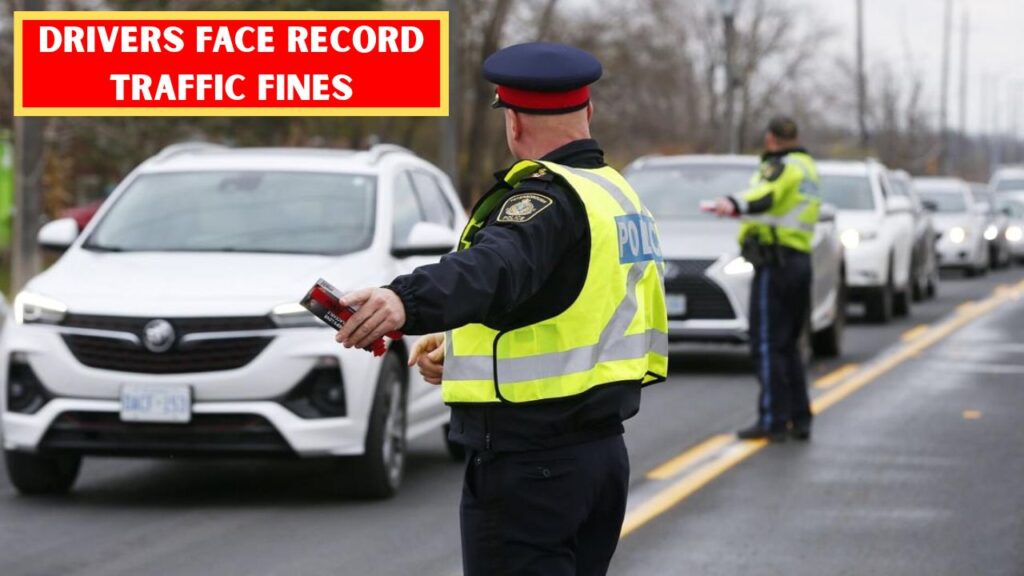
Australia’s new speeding fines go up to $1,900.
Under the new rules, speeding fines will go up a lot, especially for drivers who go way over the limit. There will still be penalties for minor offences, but the biggest increases will be for serious offences and repeat offenders. Officials have said that they will use more cameras and patrols to catch people who drive dangerously. In some states, drivers may also have their licenses automatically suspended in addition to having to pay fines. The goal is to make it clear that enforcing road safety is no longer up for debate. Officials think that the new structure will be a strong deterrent, especially in cities and around schools where speeding has been a problem for a long time.
Why Traffic Fines Are Going Up All Over the Country
The choice to raise fines comes after worrying data that shows an increase in accidents in a number of Australian areas. Policymakers say that harsher financial penalties are a strong deterrent and encourage people to change their behaviour over time. Transport departments have also talked about the growing problem of repeat traffic offenders who keep breaking the law even though they know the penalties. Authorities want to make roads safer for everyone, including pedestrians and cyclists, by raising fines and making monitoring systems stronger. Before the new rules go into effect, the larger plan includes stricter enforcement and public awareness campaigns to promote safe driving habits.

What Drivers Need to Know Before February 20, 2026
Drivers should carefully read the new speed limits, as they will be in effect from the official start date. Even small amounts over the limit could now mean bigger fines, depending on where you are and what happened. Police have confirmed that they will monitor high-crime areas with zero tolerance, thanks to better detection technology. Drivers should also know that they may get demerit points faster under the new system. Experts say that to avoid making expensive mistakes, you should always pay attention to signs and drive defensively. Once the new enforcement standards go into effect across the country, being ready and aware will be very important.
Effects of the Higher Speeding Fine Structure
The larger effect of these changes is that Australian roads will have a stricter culture of following the rules. Some drivers may think the rise is unfair, but officials say the goal is to change behaviour over time, not to make money. Experts in transportation say that stronger penalties and consistent enforcement could lead to fewer serious crashes over time. But because of the financial burden on families, drivers need to adjust quickly to avoid extra costs. In the end, the reform will only work if drivers react well to the increased accountability that started in February 2026.
| Offence Type | Previous Maximum Fine | New Maximum Fine | Additional Consequences |
|---|---|---|---|
| Minor Speeding (Low Range) | $300 | $450 | 2–3 Demerit Points |
| Mid-Range Speeding | $700 | $1,200 | 4–6 Demerit Points |
| High-Range Speeding | $1,200 | $1,900 | Licence Suspension Possible |
| Repeat Offence | Variable | Up to $1,900+ | Extended Suspension |
Questions That Are Often Asked
1. When do the new fines for speeding go into effect?
Starting on February 20, 2026, the higher fines will be in effect across the country.
2. What is the most you could pay for speeding?
 Goodbye Old Licence Rules: Senior Drivers Aged 70+ Face New Compliance Laws From 20 February 2026
Fines for serious high-range crimes can be as high as $1,900.
3. Will drivers lose points if they break the new rules?
Yes, demerit points will still be given, and they may add up faster for serious crimes.
4. Do the changes apply to all states in Australia?
Yes, the new framework is being put into place across the country, with enforcement at the state level.