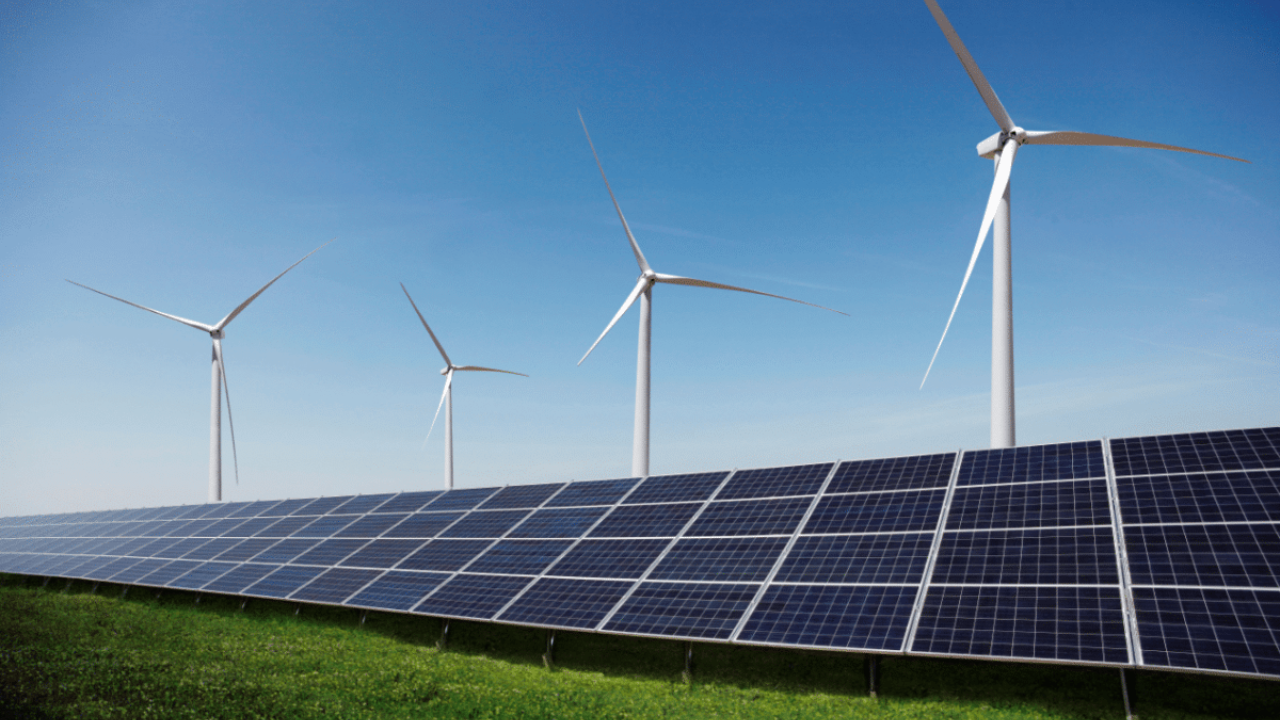
France stands on the brink of a green energy revolution, pledging to triple its renewable capacity in the coming decade to claim European leadership. This bold strategy builds on strong nuclear foundations while surging wind, solar, and hydro output to slash emissions and bolster energy independence. Government-backed plans promise explosive growth, turning ambition into grid reality by 2035.
Ambitious Capacity Projections
Current renewable installations hover around 59 gigawatts, but forecasts show a leap to 163 gigawatts by 2035—a near tripling fueled by a 9.7% annual growth rate. Solar photovoltaic leads the charge, ballooning from 30.5 gigawatts today to over 111 gigawatts through rooftop solar, agrivoltaic farms blending crops with panels, and community energy projects. Wind power, especially offshore, gains momentum with auctions and streamlined permits driving turbine deployments along coasts and inland.
Hydropower modernizes existing dams for flexibility, while biopower diversifies the mix. These shifts align with France’s updated National Energy and Climate Plan, prioritizing clean acceleration amid global supply chain pressures.
Driving Forces Behind the Surge
Subsidies for renewables climb 24% to €7.7 billion in 2026, supporting 10 extra terawatt-hours of green electricity despite low market prices. Contracts for difference replace feed-in tariffs, de-risking investments and spurring private capital. The National Hydrogen Strategy injects €7 billion more, targeting industrial decarbonization and storage solutions.
Grid operator RTE spearheads upgrades to handle variable renewables, ensuring stability as nuclear—still at 63 gigawatts by 2035—provides baseload reliability. New EPR2 reactors complement this hybrid model, marrying atomic steadiness with renewable scalability.
France Renewable Capacity Milestones
| Source | 2024 Capacity (GW) | 2035 Projection (GW) | Growth Driver |
|---|---|---|---|
| Total Renewables | 59.1 | 163.1 | Policy + auctions |
| Solar PV | 30.5 | 111.2 | Rooftops + agrivoltaics |
| Wind | ~20 (est.) | 40+ (offshore push) | Coastal tenders |
| Hydropower | 25.9 | Steady + upgrades | Modernization |
| Biopower | Minor | Diversified | Biomass incentives |
Solar and Wind Take Center Stage
Solar hit 22.6 gigawatts by late 2025, up 23% year-over-year, with 1.4 gigawatts added in early quarters alone—powered by 62,000 new installations. Wind edges toward 2025 targets, though offshore lags slightly behind Denmark and the UK. Renewables now claim 30.6% of the energy mix, eyeing 38% by 2030, as hydropower’s share dips amid slower expansions.
These gains position France to outpace Germany in per-capita renewables, leveraging land efficiency and tech innovation.
Challenges and Safeguards
Rapid scaling demands grid resilience; from 2026, plants over 10 megawatts—including solar and wind—join mandatory frequency regulation markets. Critics flag permitting delays and local opposition, yet streamlined laws cut approval times by half. Balancing acts prevent blackouts, with batteries and demand response filling gaps.
Nuclear extensions via Grand Carénage ensure no energy shortfalls during transitions.
Economic and Environmental Wins
Tripling capacity could create 100,000 jobs in manufacturing, installation, and maintenance, revitalizing rural economies. Carbon savings hit millions of tons annually, aligning with EU net-zero mandates. Exporting tech leadership—think advanced turbines—boosts trade balances.
Consumers benefit from stable prices as imports dwindle.
Path to European Dominance
France’s blueprint outshines neighbors by blending scale with pragmatism, targeting 40% renewables by 2030 en route to tripling. Success hinges on execution, but momentum suggests Europe’s top green performer emerges from Paris.
FAQs
Q1: When will France triple renewables?
By 2035, reaching 163 GW from 59 GW.
Q2: What drives solar growth?
Rooftops, agrivoltaics, and €7.7bn subsidies.
Q3: Does nuclear hinder renewables?
No, it complements for reliable low-carbon power.
Disclaimer
The content is intended for informational purposes only. Check official sources; our aim is to provide accurate information to all users.
