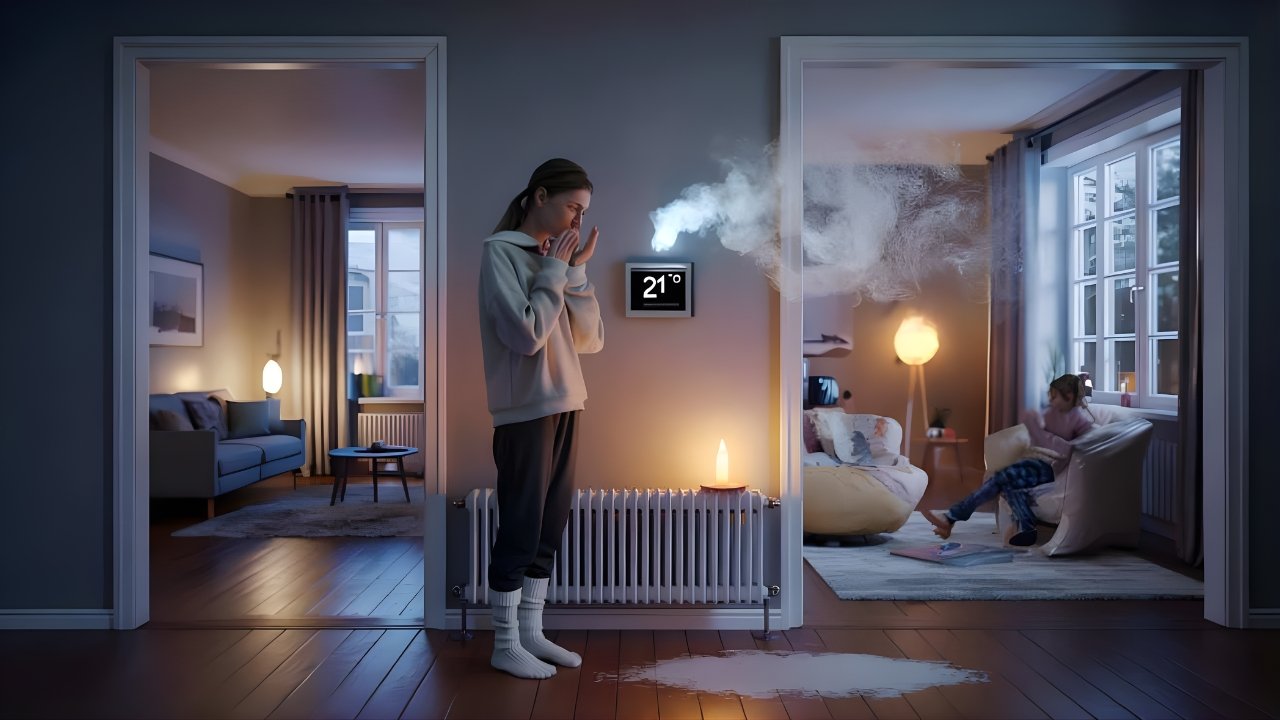
It is a typical winter aggravation, the thermostat has been adjusted to a warm 22 o C (72 o F), the radiators are purring, and as soon as the heating is turned off, a cold starts to creep in. Construction scientists are pointing to an effect they call in 2026, the so-called thermal bypass, a collection of unknown structural problems that help heat to leave your house much more quickly than it ought. Although we tend to point the finger at the furnace, the truth is normally in the enveloping of the house. Even the manner in which you have laid out your furniture or the air “superhighways that exist in your attic are some of the reasons why you may be compromising on your comfort due to various factors. To make your home a thermal fortress, this is the first step in making your home a sieve.
Structural “Superhighways and Thermal Bridging
Thermal bridging is one of the least considered causes of rapid heat loss. This happens to happen when the poor insulators (such as steel, concrete, or solid wood studs) provide a direct route of the heat passing around your insulation and going outside. The thermal bridges in the modern construction may contribute up to 30 percent of the heat loss in any building. This may present itself as a cold spot on an outside wall even when the room air is hot. These bridges are literal cooling fins, continuously sucking the heat out of your place of residence and into the winter air, however high you set the thermostat.
The Stack Effect How Your Attic Takes Away the Heat
You are probably having the Stack Effect in case your house is drafty. Warm air is less dense and, therefore, it is natural that it will be raised to the top of your home. When the hatches in the attic, recessed lights or plumbing stacks have even the smallest openings, warm air is spilled out of your living room and into your attic. This leaves a vacuum in the lower floors and consequently, draws freezing air in via window, door, and electrical outlets. This is why it is a constant process of warm air out/ cold air in, your heating system is never really finished working, it is just trying to keep pace with a house that is always exhaling its warmth.
Humidity and the RealFeel Indoors
It happens that sometimes it is not the fact that your house is losing heat, but that the air cannot contain it. During winter, the indoor air tends to be very droughty. Scientifically, dry air is worse at retaining heat as compared to moist air. Once the humidity in your home is lower than 30, the moisture will be evaporated off your skin much faster and you feel several degrees colder than the thermostat says. This explains the apparent temperature difference between 21 C (70F) with 45 percent humidity and 23 C (74F) with 15 percent humidity in a house. A humidifier can be used to make the heat feel more like it should and heavy in the room by stabilizing the heat.
Heavy Traffic and Obstruction Problems and Delays
The heat is often generated but it never gets to the center of the room. The most common offender is the placement of furniture; the presence of a sofa in front of a radiator or a floor rug over a vent draws the heat like a giant heat sponge and the heat is absorbed before it can get to circulate. Moreover, when your air filters clog up this system must struggle to force the air through and this causes short-cycling of the system where the heater goes off before the walls and furniture can receive any thermal mass. By making sure that there is a clear avenue of airflow, the whole room will be brought to a steady temperature avoiding that cold spurt after the heat.
Home Heat Loss Audit
| Source of Loss | Potential Impact | Simple Fix |
| Attic Gaps | Up to 25% Heat Loss | Seal hatch with foam tape |
| Window Drafts | 10-15% Heat Loss | Install thermal curtains |
| Low Humidity | High “Perceived” Cold | Use a humidifier (40-50%) |
Frequently Asked Questions
1. Why does my house become cold immediately after the heating is turned off?
This is normally because there is a deficiency in thermal mass. In case your walls and furniture are not thick, and insulated properly to trap heat, the only thing that is not getting colder is the air (which cools off very rapidly). After the heater is turned off, there is no warmth to store that will make the air warm.
2. Should I leave my internal doors open or close?
Keep close doors to rooms you are not in use of. This induces a kind of thermal zoning and does not force your heater to attempt to heat dead air, it is able to use that energy to retain the warmth in areas where you are present.
3. Will it work with the bubble wrap on windows?
Yes. Although it may appear unusual, the insulation of the trapped air in the bubbles serves as an added insulation cover. To be more aesthetically pleasing, you can use insulation window film which will make the film the size of your frame when using a hairdryer.
Disclaimer
The information is not meant to be entertaining. The official sources, such as the Department of Energy (Energy.gov) or the Energy Saving Trust can be checked to get more detailed home efficiency guides; we just want to give correct information to all the users.
