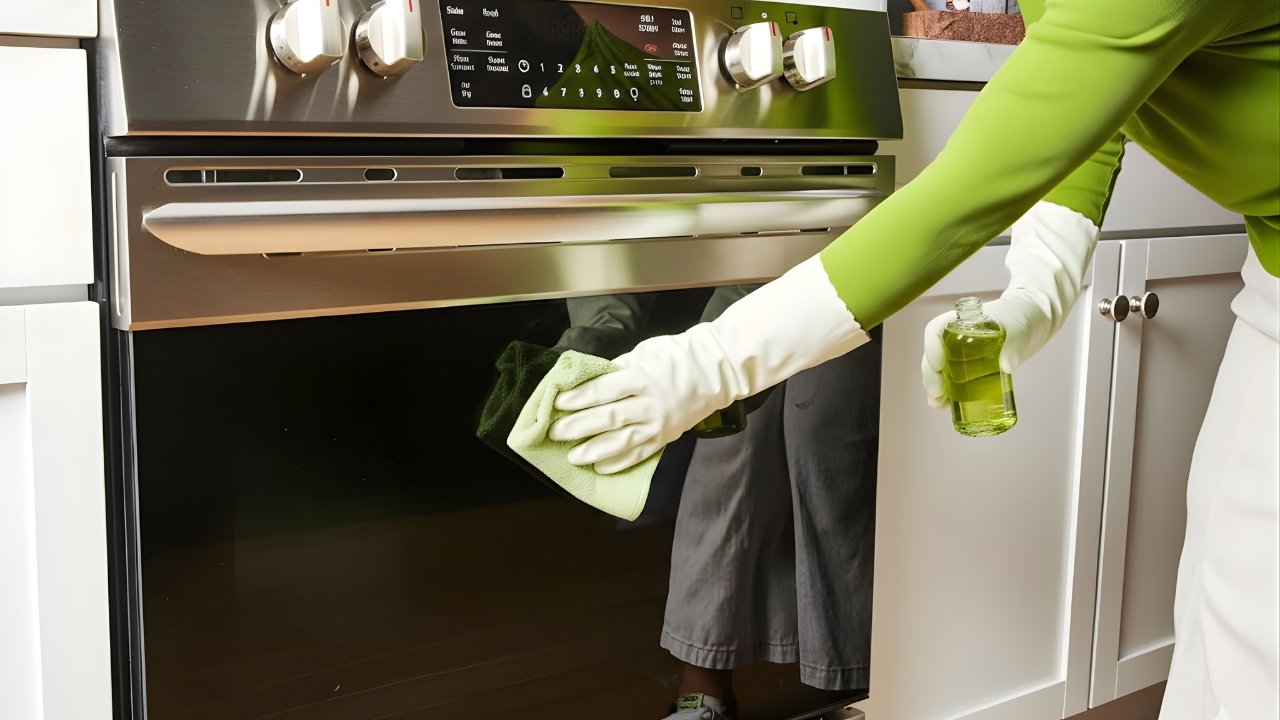
Cleaning a greasy oven is usually mentioned as the most dreaded domestic task, yet in 2026, a viral hack is revolutionizing the story with a steam-infusion method. Rather than taking an environmentally harmful approach of using chemicals laden with fumes that take hours to scrub, this approach employs the strength of natural citrus acids. Pouring fresh lemon slices into a heating bowl of water into a warming oven, you generate a steam pressurized atmosphere. The citric acid switches stubborn carbonized foods and grease on the walls of the oven as the water evaporates. This scientifically proven trick actually transforms your oven into a free self-cleaning sauna, and cleaning it becomes an easy task instead of a work out.
The Decaying Strength of Lemon and Steam
The usefulness of this trick is that steam and grease interact chemically. At a low temperature (typically 100C (212F)) in the oven, the moisture diffuses into the porous structure of food particles baked on. Lemon is used as a natural surfactant and disaggregates the molecular bonds of the oils. After approximately 30 minutes of the steaming, the internal temperature of the grime decreases and it becomes no longer a hard shell but rather a soft jelly-like substance. You can remove months of accumulation in under one stroke of a moist microfiber cloth, which eliminates the necessity of using abrasive steel wool that is likely to harm the enamel coating of the oven.
Eradicating lingering Smells Organically
The conventional cleaning solutions that are used to clean the ovens are usually very sharp and smelly as well as quite medicinal which may be left lingering and even added in flavor to your meal. The lemon-steam method on the other hand is a strong neutralizing agent. Lemons are more concentrated with limonene which is consumption of foul odors because of the burned fat or spilled sugar. This not only has the effect of leaving your kitchen smelling as fresh as an orchard, but it also leaves to it that the “ghost chemical of the commercial cleaners does not permeate your next Sunday roast. It is a cleaning/disinfecting two in one type of hack that purifies the air and the surfaces at the same time.
Modern kitchen Safety and Sustainability
Among the strongest motivations to follow this simple trick, one can distinguish a massive decrease in the indoor air pollution. A lot of commercial oven cleaners have sodium hydroxide or butoxyethanol, which may cause irritation to the respiratory system and the eyes. You change to a lemon-based steam process, thereby providing a safer atmosphere to pets, children and the sensitives. In addition, the process is zero waste; the remaining lemon-water can be discharged through the kitchen sink to clean the drain, or wiped with it on the top of the device. It is indicative of a change to sustainable home maintenance in which outcomes need not be at a health cost.
Pro-Tips of a Shining Long Life
In order to get the maximum out of the lemon-steam trick, it is advisable to do what is referred to as a quick wipe when the oven is still hot but not hot enough to be touched. In especially stubborn stains on the floor of the oven you can make a paste of the remainder of the steamed lemon juice and a little baking soda. This light effervescence of this mixture elevates the last remains of carbonized substance without scratching the surface. Continuous use of this technique, preferably once every month, will ensure that the effect of bake-on does not become irreversible, having your appliance in excellent condition and your kitchen a pleasant, cozy place to cook in.
Oven Cleaning Checklist
| Component | Cleaning Agent | Action |
| Interior Walls | Lemon Steam | 30-Min Infusion |
| Glass Door | Baking Soda Paste | Gentle Scrub |
| Oven Racks | Dish Soap/Vinegar | Overnight Soak |
Frequently Asked Questions
1. Is it possible to replace fresh lemons with bottled lemon juice?
Although the bottled juice has citric acid, fresh lemons are better since the peels have the necessary oils (limonene), which give the aforementioned powerful degreasing and deodorizing properties.
2. Can we clean the ovens using this method?
Yes. It is actually significantly softer than the high-heat program of self-clean washing, which is prone to breaking the heating components or electronic circuits of the oven with the exceptionally high temperatures.
3. What are the frequency of the lemon steam trick?
Ideally, it should be once in every 4 to 6 weeks. Constant maintenance prevents polymerization of grease that makes it very difficult to remove at later stages.
Disclaimer
The information is not meant to be offensive. It is possible to consult with such official sources as the Good Housekeeping Institute and the American Cleaning Institute to find the safety guidelines; we want to offer the right information to all of the users.
