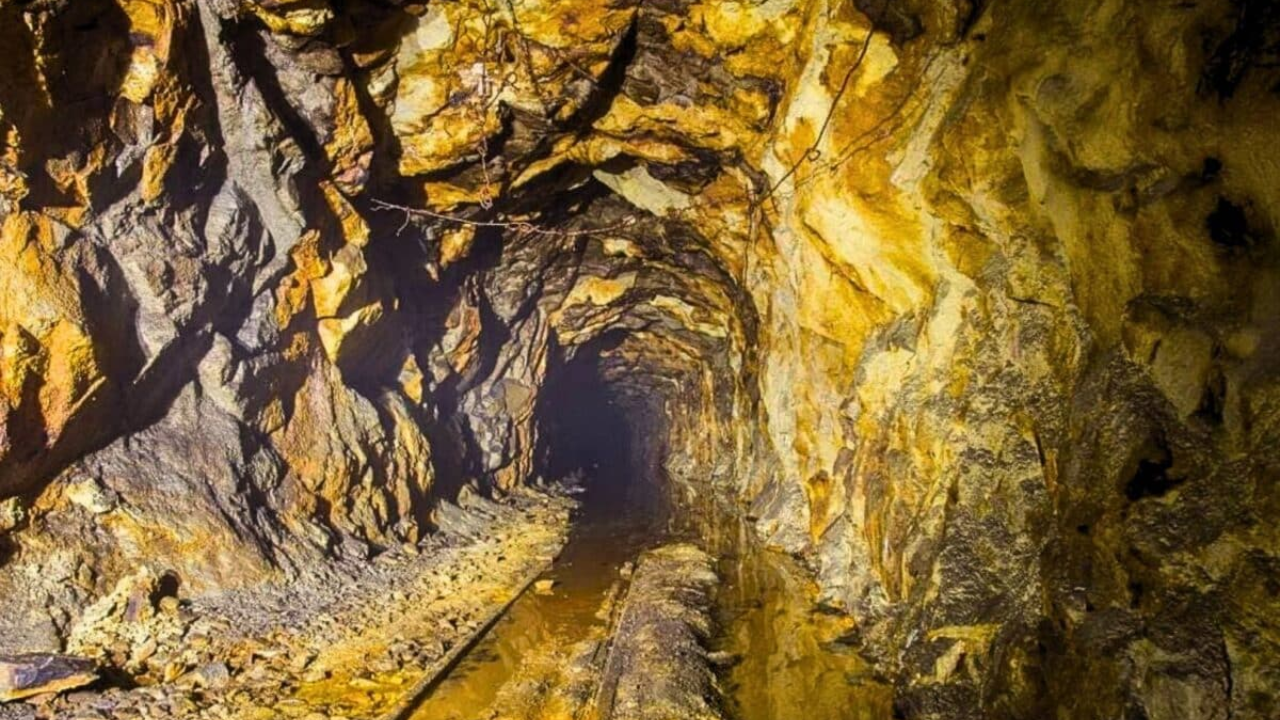
A massive €2.4 trillion gold discovery has shaken up global resource maps, sparked by surprising helium signals from deep underground. Scientists tracking helium plumes stumbled upon vast gold deposits hidden for millennia in ancient rock formations. This breakthrough redefines mineral exploration, pointing prospectors toward riches once thought unreachable.
Helium’s Role as a Treasure Detector
Helium, that light gas escaping from Earth’s crust, acts like a natural billboard for gold. It rises through faults alongside hydrothermal fluids that carry dissolved gold from magma chambers. When helium concentrations spike in soil samples or satellite data, geologists now drill down to find quartz veins loaded with the precious metal.
Traditional gold hunts relied on visible clues like altered rocks, but helium detection pinpoints blind deposits miles below surface. Recent surveys in Australia and Canada confirmed this method, uncovering orebodies worth billions missed by older tech. The €2.4 trillion figure estimates total untapped reserves revealed across multiple sites.
Rewriting Global Mineral Maps
Old mining maps ignored helium data, focusing on shallow alluvial gold. Now, hyperspectral imaging and gas chromatography redraw boundaries, highlighting belts from the Rockies to the Outback. Governments rush to claim these zones, boosting stock markets for junior explorers.
This shift favors nations with helium expertise, like the U.S. and Russia, over traditional powerhouses. Small countries with overlooked geology suddenly hold lottery tickets to economic booms.
Key Gold-Helium Discovery Sites
| Region | Estimated Value | Helium Signal Strength | Status |
|---|---|---|---|
| Western Australia | €800 billion | High | Active drilling |
| Canadian Shield | €600 billion | Medium-High | Exploration permits |
| U.S. Nevada | €500 billion | Very High | Major claims filed |
| African Rift | €300 billion | Emerging | Early surveys |
| South America Andes | €200 billion | Moderate | Joint ventures |
Economic Ripples from Hidden Wealth
Unlocking €2.4 trillion in gold floods markets with supply, potentially capping prices long-term while spiking short-term gains for early finders. Mining firms pivot budgets to helium tech, hiring physicists alongside geologists. Jobs surge in rural drill sites, revitalizing forgotten towns.
Investors flock to helium-focused juniors, mirroring the uranium rush of past decades. Central banks eye these reserves to diversify from fiat currencies amid inflation fears.
Technological Leap in Exploration
Satellite sniffers now map helium leaks globally, slashing exploration costs by 70 percent. Drone-mounted spectrometers confirm targets in days, not years. Artificial intelligence crunches data patterns, predicting deposit sizes with 85 percent accuracy.
This tech democratizes discovery, letting startups compete with giants. Partnerships between gas firms and miners accelerate the hunt.
Challenges in Tapping the Prize
Deep deposits demand advanced drilling through hard rock, hiking upfront costs. Environmental pushback grows over helium’s role in groundwater flows. Regulatory hurdles slow permits in pristine areas.
Yet, the payoff tempts risk-takers. Pilot projects yield grades triple industry averages, proving helium’s reliability.
Future Outlook for Gold Hunters
By 2030, helium-guided mining could double global gold output, stabilizing jewelry and tech supply chains. Nations hoard helium data as strategic assets. Everyday investors gain via ETFs tracking these plays.
The mystery underscores nature’s secrets, where one gas unveils another’s fortune.
FAQs
Q1: What links helium to gold finds?
Helium rises with gold-carrying fluids from deep Earth.
Q2: How much is the discovery worth?
Around €2.4 trillion in untapped reserves.
Q3: When will mining start?
Pilot sites operational by late 2026.
Disclaimer
The content is intended for informational purposes only. Check official sources; our aim is to provide accurate information to all users.
