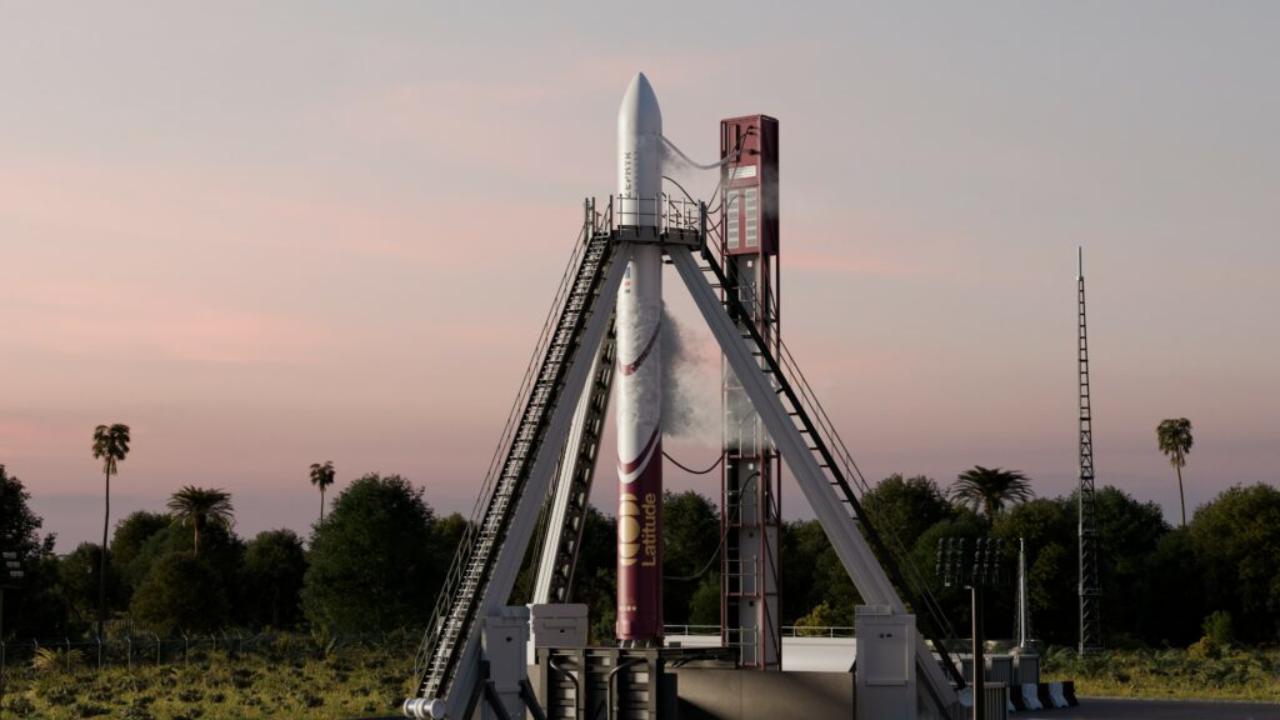
France stands on the brink of a major space milestone as Latitude prepares its first orbital launcher test in 2026. This micro-launcher, designed for rapid satellite deployments, signals Europe’s push to reclaim independent access to space amid global competition. After years of development, the Normandy-based company aims to fill gaps left by delays in traditional rockets like Ariane 6.
Latitude’s Innovative Launcher Design
Latitude’s Zephyr rocket targets small payloads up to 100 kilograms into low Earth orbit. Unlike larger systems, its reusable first stage promises lower costs and quicker turnaround times between launches. The company raised over 50 million euros in funding, drawing from French government support and private investors betting on responsive space capabilities.
Engineers at Latitude focused on propulsive landings similar to SpaceX techniques, adapted for European regulatory needs. Ground tests in Normandy have validated key components, setting the stage for a debut flight from regional launch pads. Success here could spawn a constellation of Zephyr vehicles by decade’s end.
Europe’s Broader Space Renaissance
France leads this effort within the European Space Agency framework, where 2026 emerges as a pivotal year. Ariane 6 ramps up with multiple missions, including Galileo navigation satellites and climate monitors like FLEX. France’s National Space Strategy through 2040 commits billions to secure frequency rights and expand surveillance networks.
President Macron’s administration views space as vital for defense and economy, especially post-Ukraine tensions. Collaborations with Germany and Italy bolster shared infrastructure, while France eyes lunar contributions alongside NASA’s Artemis program.
Key Milestones for 2026 Launches
| Event | Expected Date | Details |
|---|---|---|
| Latitude Zephyr Debut | Mid-2026 | First micro-launcher flight from Normandy, targeting LEO satellites |
| Ariane 64 Mission | Early 2026 | Heavy-lift variant carries multiple payloads for ESA |
| PLATO Exoplanet Telescope | Late 2026 | Ariane 6 deploys 26-camera array for habitable world searches |
| MTG-Imager Satellite | Mid-2026 | Weather monitoring upgrade from French Guiana |
| FLEX Biomass Mission | 2026 | Earth observation for climate fluorescence data |
Challenges and Technical Hurdles
Regulatory approvals pose the biggest risk, with French safety boards scrutinizing launch sites near populated areas. Weather in Normandy demands robust abort systems, and integration with national airspace adds complexity. Latitude counters this through extensive simulations and partnerships with CNES, France’s space agency.
Competition from Rocket Lab andABL Space Systems pressures pricing, but Europe’s captive market for secure launches offers an edge. Fuel supply chains for the methalox engines remain stable, thanks to local production ramps.
Economic Boost for French Industry
A successful Zephyr flight could create hundreds of high-tech jobs in Normandy, revitalizing a region hit by industrial shifts. Satellite operators gain a reliable alternative to riding as secondary payloads on bigger rockets. France anticipates this spurring startups in downstream services like data analytics from frequent smallsat missions.
Investors praise Latitude’s agile model, projecting revenue from dedicated launches exceeding 100 million euros annually by 2030. This aligns with Macron’s push for tech sovereignty, reducing reliance on U.S. or Russian providers.
Global Implications and Future Vision
Latitude’s success would validate micro-launchers as a new paradigm, pressuring incumbents like Arianespace to innovate faster. France positions itself for deep space roles, including Mercury orbiter contributions via BepiColombo follow-ons. By 2035, a next-gen Ariane successor looms, ensuring long-term heavy-lift capacity.
This comeback restores French pride in space, echoing the Ariane program’s glory days while embracing reusability.
FAQs
Q1: When is Latitude’s first launch?
Mid-2026 from Normandy.
Q2: What payload can Zephyr carry?
Up to 100 kg to low Earth orbit.
Q3: How does this fit ESA plans?
Complements Ariane 6 for responsive smallsat needs.
Disclaimer
The content is intended for informational purposes only. Check official sources; our aim is to provide accurate information to all users.
