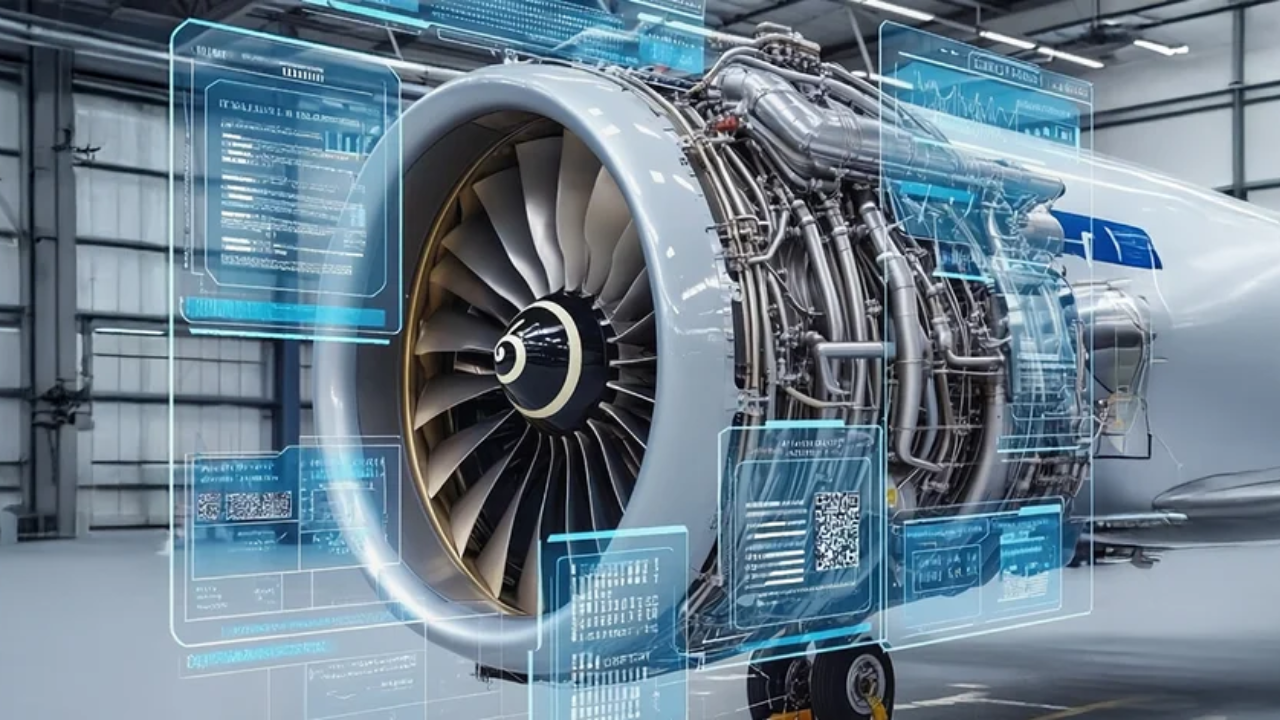
A stunning prototype from startup Hinetics has energized CES 2026 attendees with its cryogen-free superconducting motor, promising to slash weight and boost power for electric aircraft. Unveiled at the ARPA-E booth, this innovation tackles the battery density hurdles that have grounded eVTOL dreams for years. Engineers packed megawatt-class output into a compact frame, eyeing real-world flights by decade’s end.
How Superconductivity Transforms Flight
Traditional electric motors lose efficiency as size and power grow, but superconductivity lets current flow with zero resistance when chilled just right. Hinetics’ design skips bulky liquid nitrogen tanks by integrating clever cooling directly into the motor housing. This cuts system weight by up to 70% compared to copper-based rivals, making longer-range electric planes suddenly feasible.
The motor hits power densities over 20 kW/kg—double what’s common today—while sipping energy at 99% efficiency. Pair it with advancing solid-state batteries, and regional hops like New York to Boston become emission-free realities. Aviation giants like Airbus have chased similar tech for years, but Hinetics claims a practical edge for immediate scaling.
Key Specs Comparison
| Feature | Hinetics Superconducting | Conventional Electric | Gas Turbine Equivalent |
|---|---|---|---|
| Power Density (kW/kg) | 20+ | 5-10 | 5-8 |
| Efficiency (%) | 99 | 95 | 40 |
| Cooling Needs | Integrated Cryogen-Free | Air/Water | Fuel Exhaust |
| Weight Savings | 70% vs. Copper | Baseline | N/A |
| Target Application | eVTOL/Regional Jets | Drones | Commercial Airliners |
Why Electric Aviation Lagged Behind
Battery energy density sits at one-tenth of jet fuel, forcing short hops and frequent recharges on current eVTOLs like Joby or Lilium prototypes. Superconducting motors bridge that gap by maximizing every watt without added bulk. Past efforts, like Airbus’ 2023 ASCEND project, proved the concept but relied on external cryogenics unfit for planes.
Hinetics sidesteps this with proprietary materials stable at higher temperatures, easing thermal management. CES demos showed the unit spinning at full throttle without external hoses, a feat drawing crowds and investor buzz. Regulators now eye certification paths, potentially fast-tracking trials by 2028.
Roadmap to Commercial Skies
Startup leaders project hybrid-electric regional jets by 2030, blending these motors with sustainable fuels for 500-mile ranges. Partnerships with Boeing and United Airlines could pour billions into scaling production. Urban air mobility firms plan retrofits, shrinking takeoff noise and slashing operating costs by half.
Challenges remain, like scaling rare-earth materials affordably and ensuring reliability over thousands of cycles. Yet, the tech aligns perfectly with net-zero mandates, drawing praise from climate advocates. CES 2026 positions Hinetics as the spark for a greener aviation era.
Broader Impacts Beyond Planes
This breakthrough ripples into drones, ships, and grid storage, wherever high power demands lightweight solutions. Military applications whisper of silent, endless-endurance UAVs. Cleaner skies mean fewer health costs from pollution, especially near busy airports.
Investors see trillion-dollar markets unlocking, with stock tickers for eVTOL makers surging post-announcement.
Certification and Next Steps
FAA and EASA teams attended CES briefings, intrigued by the motor’s safety profile. Ground tests wrap this year, paving way for flight integration. Hinetics aims for megawatt production units by 2027, fueling a wave of startup collaborations.
FAQs
Q1: What makes this motor cryogen-free?
Integrated cooling stabilizes superconductors without external tanks.
Q2: When will electric planes use it?
Prototypes by 2028; commercial by 2030.
Q3: How much lighter is it?
Up to 70% versus traditional electrics.
Disclaimer
The content is intended for informational purposes only. Check official sources; our aim is to provide accurate information to all users.
