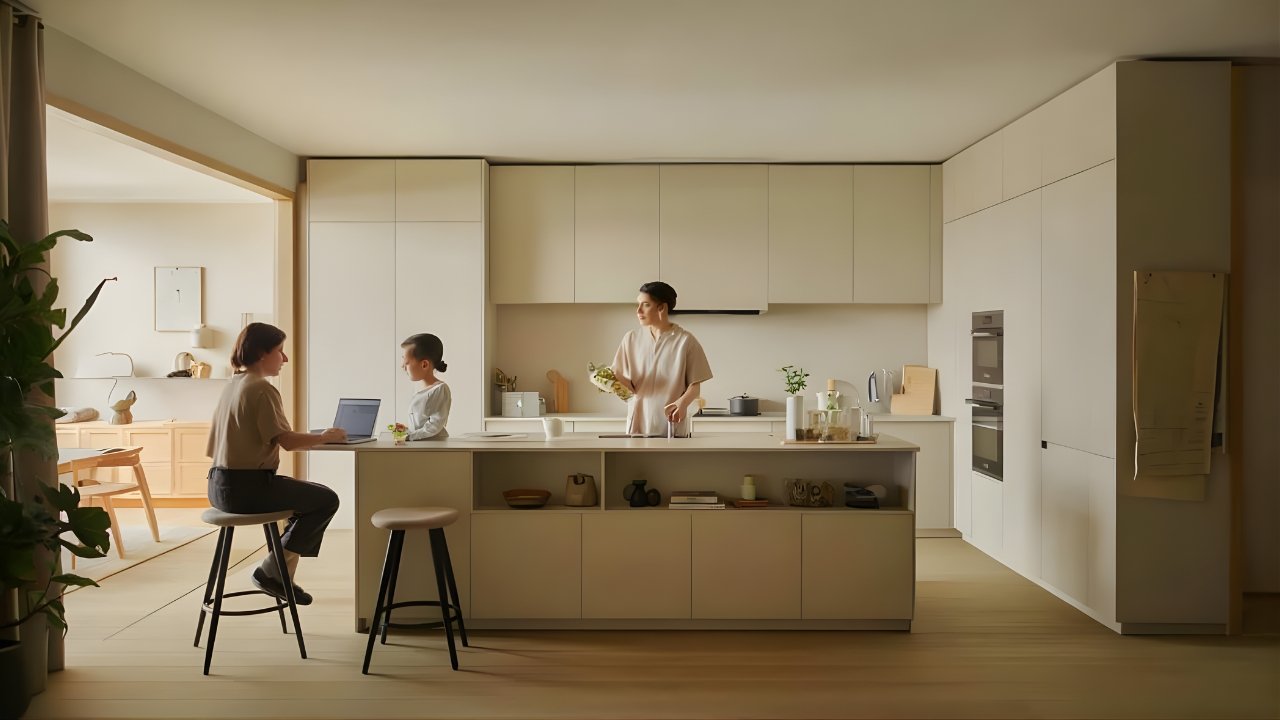
The kitchen island has been the undisputed sovereign of home design over 20 years, acting as a prep and dining table as well as a storage center simultaneously. But in the course of 2026, something is happening: the so-called island exit. The large, fixed islands are proving to be cumbersome and restrictive to modern homeowners. Rather than a big, hard-to-move block that determines the traffic, designers are leaning towards open floor plans that emphasize on fluidity and flexibility. Rejection of the traditional island does not essentially become a loss of counter space but a recovery of the heart of the home of an otherwise inanimate object of cabinetwork that merely seems to be a wall, not a bridge.
The Unfitted Kitchen and Worktables on the Rise
Lightening up the designed-in island is the emergence of the unfitted kitchen, the philosophy of design based on freestanding furniture. In 2026, the most fashionable residences are replacing permanent islands with extra-large, craftsman wooden worktables or furniture-appearing casters. These works provide a less visual presence and a breathing kitchen. A table is more of a communal than an industrial entity psychologically than a piece of marble. This change permits a more domestic look, in which the kitchen can be simply rearranged to accommodate social events, and the area looks more of a gallery than a service area.
Holiday Dining: The Revival of the Harvest Table
The rediscovered urge to dine closely together in the form of a seat is also one of the main motivation factors of the movement called Goodbye Island. We have years upon years been dining on high barstools, facing out of the direction of the cook, or against a wall of cabinets. The integrated harvest table, the giant standard-height dining table that will be located directly in the middle of the kitchen area, is the replacement of the island in 2026. This promotes a slow lifestyle of living, in which pre-preparations and eating occur at a comparable pace. The central hub is reduced in height, which makes the kitchen look larger and less overwhelmed by high constructions to achieve a more comfortable eye contact and communication.
Multipurpose Zones: The Galley and Evolution
With the departure of central islands, there is a resurgence of more efficient L-shaped and U-shaped plans that put to greater use the perimeter. In the absence of an island occupying the center stage, the kitchens are becoming multi-purpose. Homeowners are putting in place pocket offices or coffee niches where the island used to be. The trend is especially common in smaller city houses where the dead space surrounding a fixed island is a luxury that not even one can afford. The inward shift of the utility to the periphery makes the center of the room a versatile nothingness that could house all kinds of activities such as yoga or some makeshift hobby stations.
Invisible Utility and Hidden Technology
The eradication of the island is also propagated by the advancement of the invisible technology. Induction hobs are also being built into countertops at the perimeter and prep stations built into wall units are being incorporated as pop-ups in 2026. As the work component of the kitchen is more discrete, a separate workhorse island is no longer required. This style is sometimes known as Quiet Luxury and it prefers smooth surfaces and conceit. The utilities being invisible, the kitchen becomes a continuation of the living room which lets the architecture of the homestead shine without the disruption of an overbearing, appliance filled hub.
Kitchen Layout Shift 2026
| Feature | Old Standard (Island) | 2026 Trend (Replacement) |
| Mobility | Fixed/Permanent | Freestanding/Mobile |
| Height | Counter Height (36″) | Dining Height (30″) |
| Visuals | Solid/Heavy | Open-Legged/Light |
Frequently Asked Questions
1. Does an unfitted kitchen cost more?
In fact, it may be less expensive. Finding a good quality freestanding table or vintage hutch can also be much more affordable than a made-to-order cabinetry and stone work to construct a built-in island.
2. Will I not lose without an island?
Although you lose under-island cabinets you gain 2026 designs with floor-to-ceiling larder units and concealed pantries on the interior walls.
3. Is this trend being followed in small kitchens?
Yes! The easiest method of making a small kitchen look bigger is by removing an island that is fixed. It can be changed to a mobile cart or small table that gives more flexibility which a fixed block lacks.
Disclaimer
The information is not meant to be used as a source of knowledge. You can consult the official sources such as Architectural Digest or the National Kitchen and Bath Association (NKBA); we want to say that we want to offer all users the right information.
